
Teagan – Philosophical Perspective Overview
Teagan Norrish
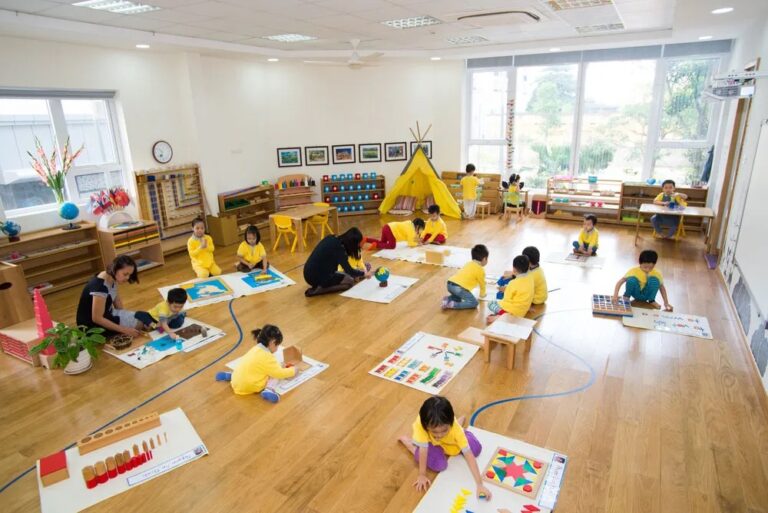
British Columbia’s shift to a more competency based curriculum represents a quite ambitious attempt to align education with a progressive philosophy. Rooted in the ideology’s of John Dewey, this model emphasizes student centered learning, critical thinking, and real world applications. On paper, it reflects a meaningful departure from traditional, content driven education that most are familiar with. However, my inquiry question reveals a more complicated reality.
While the BC curriculum itself strongly embodies progressive ideals, its implementation is uneven. Teachers often face challenges such as unclear assessment guidelines, limited training (with curriculum changes), and outside pressures that reinforce traditional practices. As a result, competency based learning sometimes becomes more of a conceptual goal than a lived experience in classrooms. At the same time, the model holds significant potential to be a truly progressive model. When implemented effectively, it fosters deeper learning, student engagement, and personal growth. It also creates opportunities to integrate Indigenous ways of knowing, aligning with the First Peoples Principles of Learning and the Truth and Reconciliation Commission’s Calls to Action. The key issue is not the philosophy, it is the system surrounding it. Progressive education requires structural support, including professional development, flexible assessment models, and equitable resources throughout divisions.
In the end, BC’s curriculum is a step in the right direction, but it is not a complete transformation. It reflects progressive philosophy in intention, but its success depends on how well educators are supported in bringing that philosophy to life.