Exploring Student Motivation and Engagement: Student-Centered Learning.
Cassie Wolgram
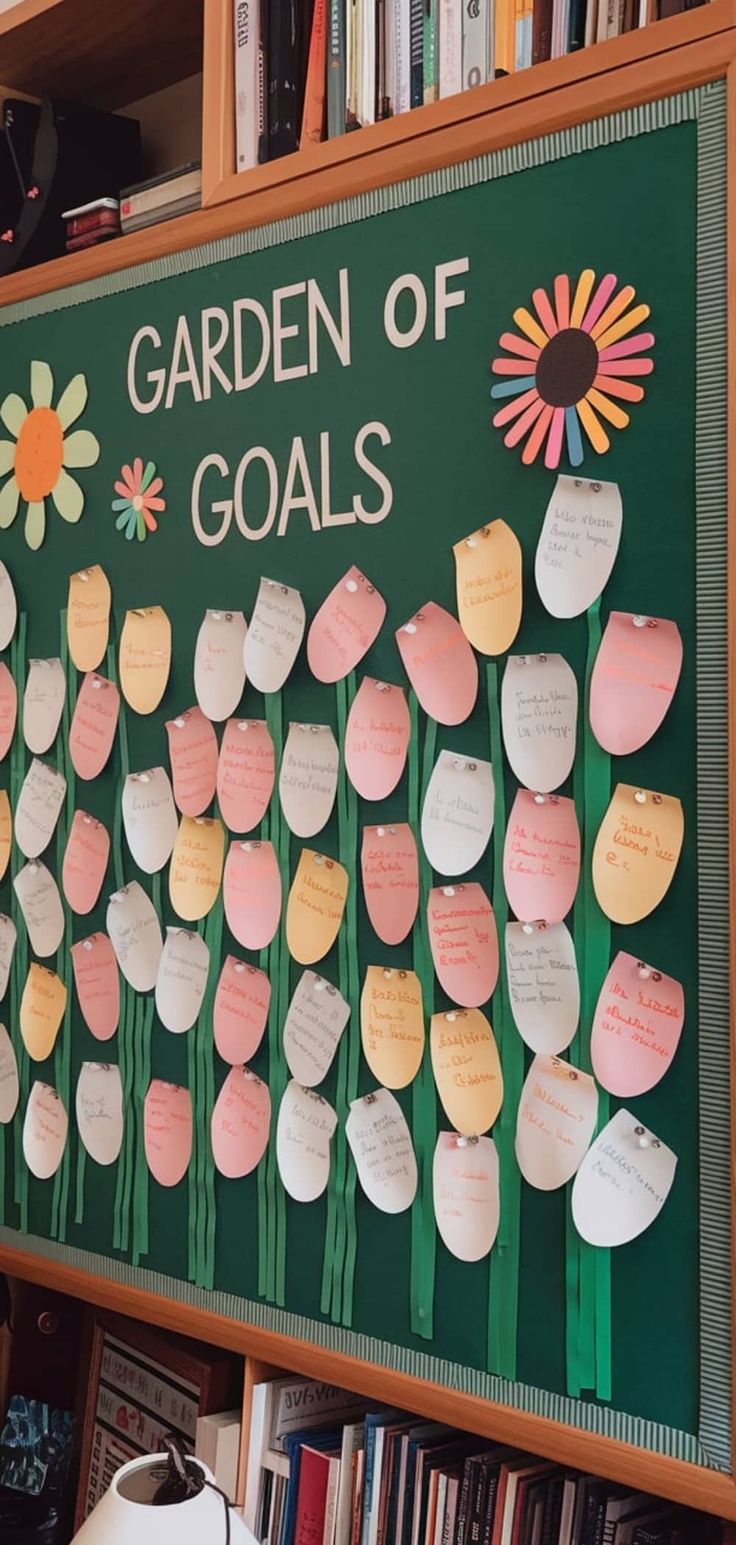
The question that continues to shape my teaching philosophy is: In what ways can students setting their own goals support motivation, engagement, and the development of a student-centered learning environment? This inquiry question was inspired by my interest in fostering student motivation and engagement within a classroom that supports multiple learning styles. My thinking is also deeply influenced by key thinkers such as John Dewey and the principles of progressivism, which emphasize experiential learning, building on prior knowledge, student voice and choice, and autonomy.
Through my exploration of the topic, I have developed a much deeper understanding of what a goal-oriented approach looks like, feels like, and sounds like in a classroom setting. I discovered that motivation and engagement are closely connected to student-centered learning, and that students’ natural curiosity and motivation spark the fire of their potential. This differs from my previous belief that motivation and engagement were primarily sparked by an outside source, such as an educator using a strong lesson hook.
Additionally, I now recognize that when students are given the opportunity to set their own learning goals, they become much more accountable for their learning, increasing both motivation and engagement. The teachers’ role shifts from being a facilitator to acting more as a “guide on the side,” supporting students as they work towards achieving their diverse, individual goals. My research also uncovered a close relationship between student-centered learning and experiential learning, emphasizing the importance of integrating both simultaneously to provide students with meaningful and engaging learning opportunities.
Overall, this inquiry has deepened my understanding of the strong relationship between student-centered learning and a goal-orientated learning environment, solidifying my thoughts about what drives engagement and motivation in the classroom. Most importantly, I found that this approach to learning requires educators to shift roles and feel comfortable allowing students to take ownership, accountability, and responsibility for their learning. This understanding continues to shape my teaching philosophy and strengthens my belief that a student-centered and goal-orientated environment is an effective and inclusive approach for fostering both motivation and engagement among students.