
Connecting Minds and Motivation: Designing Classrooms Where Students Want to Learn
Haylee Kuit
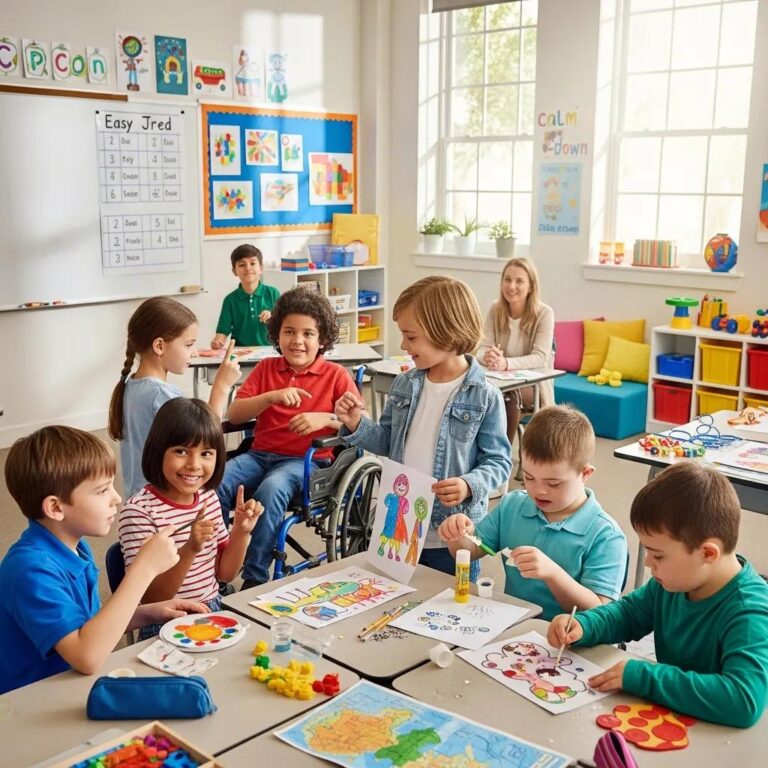
When I first began exploring my inquiry question: “How can teachers design meaningful, engaging learning environments that inspire all students to take ownership of their learning and actively apply themselves?”, I was mostly thinking about motivation. I assumed that if teachers could simply make lessons more interesting, students would naturally work harder and participate more. However, through my research and reflection, I discovered that engagement is much deeper than just making learning “fun.” It is about creating the conditions where students feel safe, capable, connected, and curious about learning.
One of the biggest takeaways from this inquiry is that relationships are at the centre of engagement. Research consistently shows that students participate more when they feel respected, valued, and supported by their teacher. When classrooms prioritize belonging and emotional safety, students are more willing to take risks, ask questions, and persist through challenges. This connects closely to trauma-informed teaching and humanistic approaches to education, which remind us that students cannot fully engage academically if their emotional needs are not supported.
Another key insight is the importance of student agency. When students are given opportunities to make meaningful choices, collaborate with peers, and explore ideas through hands-on experiences, they begin to take ownership of their learning. Strategies such as project-based learning, cooperative discussions, and inquiry-based activities allow students to move from passive listeners to active participants in the classroom.
At the same time, this inquiry also reminded me that engagement is complex. Teachers do not always have full control over the classroom environment. Factors such as curriculum demands, class size, and student differences can make it difficult to design lessons that work for everyone. Because of this, effective teaching requires flexibility, patience, and responsiveness to students’ needs.
Ultimately, this inquiry reinforced an important idea for me: engagement is not something teachers can force. Instead, it grows naturally in classrooms where relationships, meaningful experiences, and student voice are prioritized. As a teacher candidate, I hope to create learning environments where students feel inspired not only to participate, but to truly care about their learning.