
Responsive Teaching: Adapting Strategies for Diverse Learners
Alyssa Senger
At the start of this inquiry, I thought classroom management was about finding the “right” strategy, something that you could rely on if you applied it well enough. But after exploring research and reflecting on my own thinking, I have realized it is much more complex than that. My final question was: How can teachers adapt their instructional and classroom management strategies to support diverse groups of students effectively? What I have learned is that there is no single strategy that works for every classroom. Instead, effective teaching is about being responsive, paying attention to students and adjusting based on what they need in that moment.
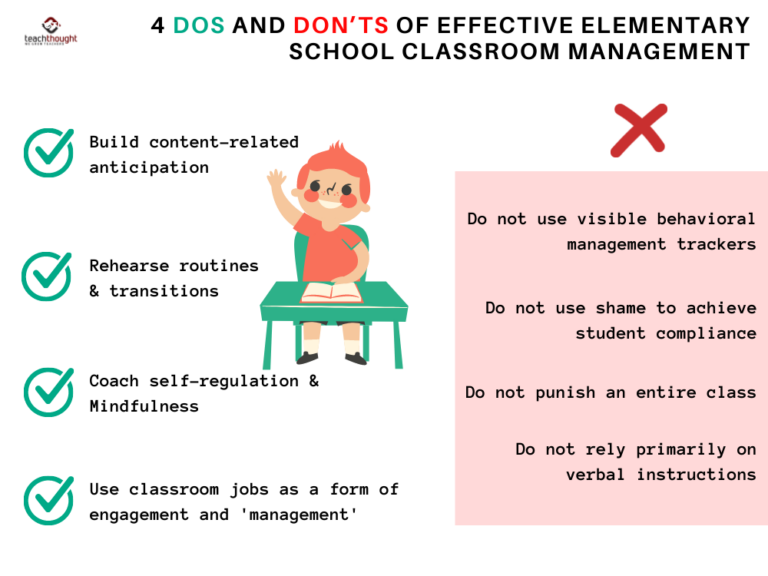
One big takeaway for me is that when something is not working, repeating it or getting stricter will not help. Instead, small shifts can make a big difference. For example, revisiting expectations with students instead of enforcing them, offering choice in how students show their learning, and focusing on relationships and check-ins before addressing behaviour. Another important realization is that behaviour is often connected to something deeper, such as engagement, emotions, or experiences outside of school. That means responding to students and taking their physical and emotional well-being into account is more valuable than simply reacting to observed behaviour.
This connects to what has been discussed across many courses about creating inclusive classrooms. Teaching is not solely about content; it is about ensuring students feel safe, respected, and comfortable in participating. That is why flexibility in terms of teaching strategies and classroom management is important. At the same time, I know this is not an easy task. Adapting constantly takes time, energy, and experience. But I think that is part of what makes teaching meaningful. It is not about getting it “right” the first time; it is about noticing, reflecting, and trying again. Moving forward, I want to focus less on controlling behaviour and more on understanding students and the underlying causes for that behaviour. When students feel supported, learning is much more likely to happen and be a joyful experience for both students and teachers.