Balancing Expectations and Supports in Classroom Management
Anika Komarniski
When I first considered classroom management, I knew it was more than just routines, rules, and discipline. What this inquiry has reinforced for me is that effective classroom management requires a combination of intentional systems, structured routines, and social-emotional supports that together prevent disruptions and support student growth. My central question, which asked how can I create a classroom environment that balances clear routines and expectations with flexible, responsive supports for all students, guided my thinking and shaped how I understand what it means to manage a classroom successfully.
Research shows that clear routines and predictable systems are foundational for creating structure and stability (Lester et al., 2017; PBIS, n.d.). At the same time, relationships, cultural responsiveness, and social-emotional learning are critical for engagement and behaviour (Martin, 2021; CASEL, n.d.). Classroom management is not a one-size-fits-all approach and requires teachers to respond to diverse student needs, interpret situations thoughtfully, and adjust strategies as necessary (Karasova & Nehyba, 2025). Bringing these perspectives together helps ensure that students feel supported and included while still managing consistent expectations.
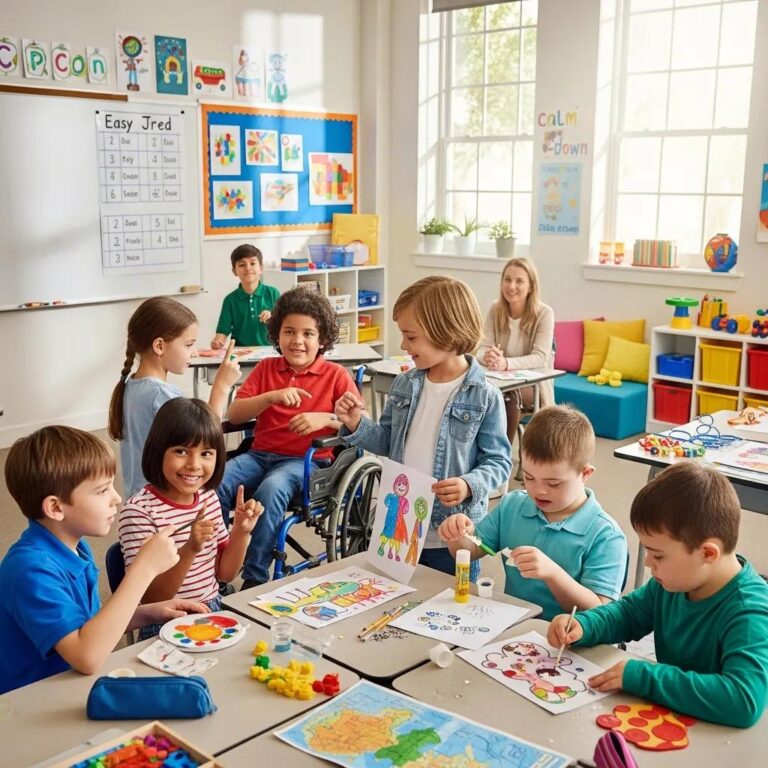
In practice, this means that my classroom will feature explicitly taught routines, collaborative development of expectations with students, and integrated social-emotional learning opportunities. Students will have a sense of ownership and belonging while learning skills such as self-regulation, communication, and responsibility. These strategies align with the BC Curriculum’s core competencies and respond to the Truth and Reconciliation Commission’s Calls to Action by creating inclusive, culturally responsive learning environments (BC Curriculum, n.d.; TRC, 2015).
Through this inquiry, I have learned that classroom management is most successful when structured routines are paired with responsive support and consistent, caring guidance. Using this approach, I hope to create a classroom environment where students feel safe, supported, and motivated to grow academically, socially, and emotionally. I now see classroom management as an ongoing process of finding a balance between structure and responsiveness, shaped by the needs of students and the context of the classroom.