Hayden’s Philosophical Inquiry- Classroom Management, Social Interaction & Relationships
Hayden Thiessen
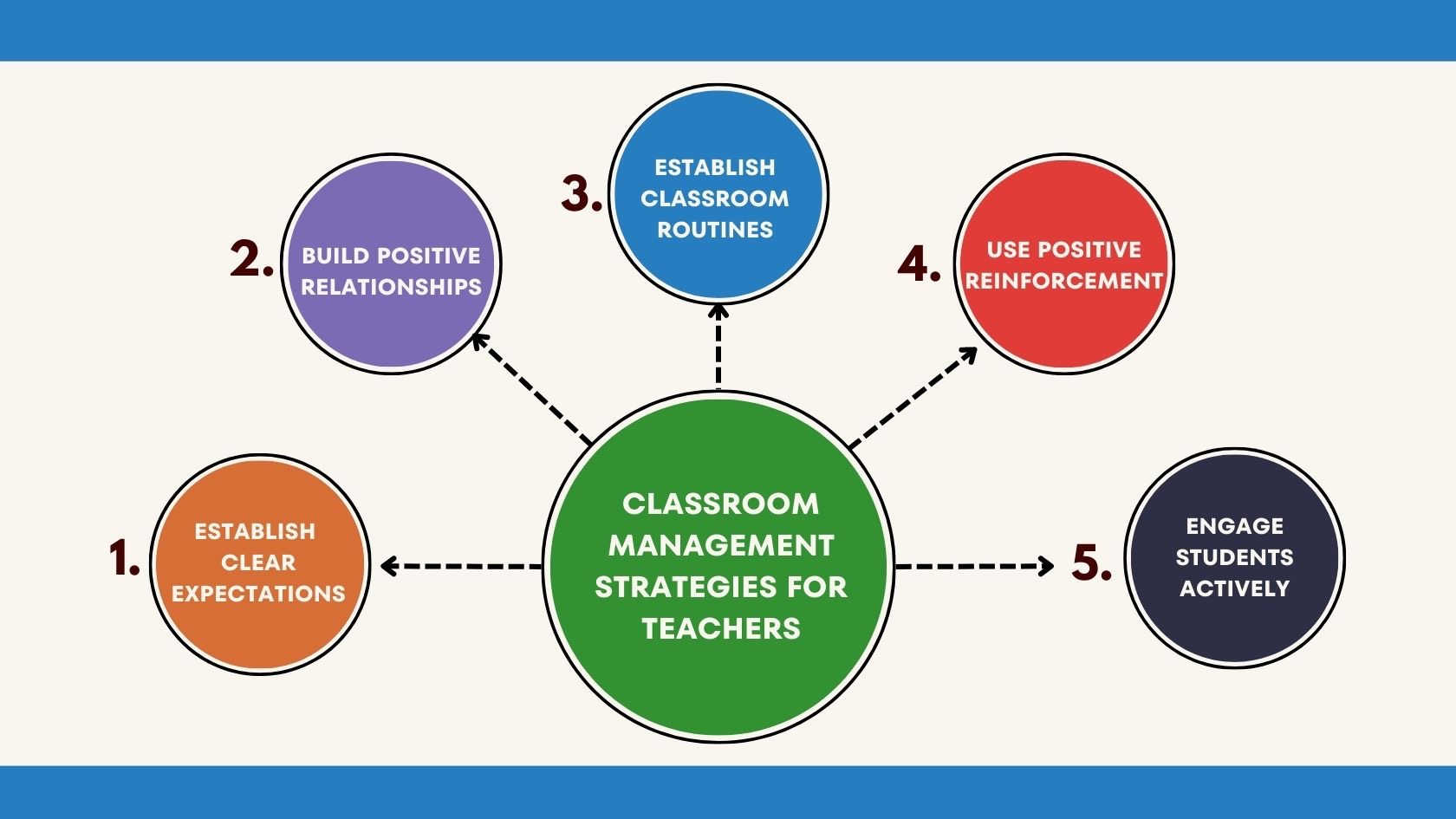
When I began practicum in the fall in a grade four/five class, I spent a lot of time observing how the teacher interacted with the students. The students always knew what was expected of them without the teacher providing any guidance outside of lesson instruction. It made me consider, how did the teacher develop these routines with the students? How were the expectations discussed with students at the beginning of the school year? As I continued attending practicum, I observed the relationship between the teacher and students. It was clear that the students respected her, but also had a strong level of trust in her as a guiding figure. As a result, I chose to consider how the combination of a teacher’s relationship with students and the use of clear classroom routines shapes student behaviour and academic engagement.
The five sources I selected were a combination of secondary sources that analyzed the work of John Dewey, Nell Noddings and Lev Vygotsky, as well as sources that conducted studies on effective classroom management techniques. I chose to consider Dewey, Noddings and Vygotsky as they all share similar viewpoints on relational education centered on relationship building and holistic learning. Upon analyzing all five sources, several commonalities were identified. First, the value of social interaction in learning. Vygotsky focused specifically on this, considering the importance of language and culture in social interaction. A point that stood out to me is that before children enter school, the majority of their learning is through interacting with their family members or peers. When students become school aged, it is equally important for this social interaction to continue. The second idea that was particularly striking is Nell Noddings theory of engrossment. I had never considered the idea that there is a term for how to give deep and attentive care to others, which the authors define as “how the person providing care perceives and addresses the wants of the person for whom they are providing care”(Sen et al., 2023. p.199). To clarify, engrossment is when teachers are fully present with students and respond with empathy and support. The last idea that stood out to me was from my final source titled “Correlates of teachers’ classroom management self‑efficacy: A systematic review and meta‑analysis” written by Siyu Daun, Kerry Bissaker and Zhan Xu. The authors were focused on classroom management self efficacy, which, in other words, is the teachers confidence in their ability to effectively manage their classrooms and support their students. In my initial research I was focused specifically on how to support students, but I did not consider the stress that educators also fall under. The authors identified numerous different factors that affect self-efficacy, and ultimately demonstrated that developing strong classroom management skills, while extremely important, is not an uncomplicated task.
Overall, writing this inquiry answered numerous questions I had about classroom management and relationship building, but also created more. It is clear that the most effective strategy to develop strong relationships with students is through relationship building, social interaction, self-efficacy of the educator, and engrossment. These ideas are supported when considering both the “First Peoples Principles of Learning” and the “Professional Standards for BC educators”, where the ultimate goal is to find appropriate strategies to support students in a holistic, supportive manner.