
Motivating Minds: Rethinking Student Motivation Through Belonging and Connection
Julia Siclari
What actually motivates students to learn? For a long time, I assumed that motivation came from external factors, like grades, rewards, praise, and so on. However, through my philosophical inquiry, I discovered that meaningful student motivation goes much deeper than that. Rather than being driven by a single factor, theory, or approach, student motivation is shaped by a complex interaction of internal, relational, and contextual influences.
Research shows that students are most engaged when their motivation is internal, and not forced. Theories such as self-determination theory created by Edward Deci and Richard Ryan highlight the importance of autonomy, competence, and especially relatedness – or in other words, the need to feel connected to others or work in order to feel motivated. Similarly, Abraham Maslow’s hierarchy of needs reminds us that students must feel safe, supported, and feel a sense of belonging before they can fully engage in learning. Other perspectives, such as achievement goal theory and self-efficacy further demonstrate that students are more motivated when they feel capable, confident, and focused on growth rather than comparison.
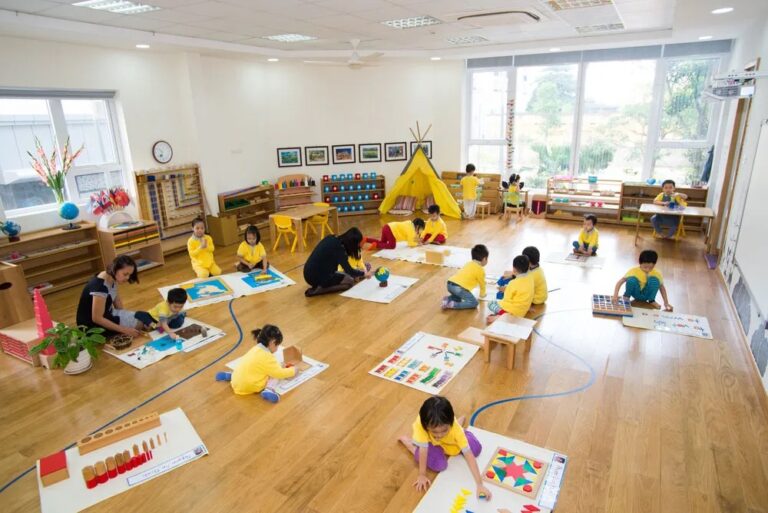
Together, through the multiple perspectives and theories I looked at, what stood out to me most is how strongly student motivation is tied to belonging and connection. When students feel seen, valued, and understood, they are far more likely to engage meaningfully. This helped me realize that motivation is not just simply about encouraging student participation, but about creating environments where students want to participate because they feel connected to the space and the learning within it – because motivation ultimately occurs from how we feel in a space and experience it.
So, what does this look like in practice? As future educators, there are a few key strategies we can focus on to create classroom environments where our students feel motivated:
- Create a sense of belonging: Build strong relationships and foster a classroom community where students feel safe, respected, and included.
- Incorporate student identity: Use activities like storytelling, identity projects, or class discussions that allow students to share their experiences and see themselves reflected in their learning.
- Focus on growth over comparison: Emphasize effort, progress, and understanding rather than competition or being “the best.”
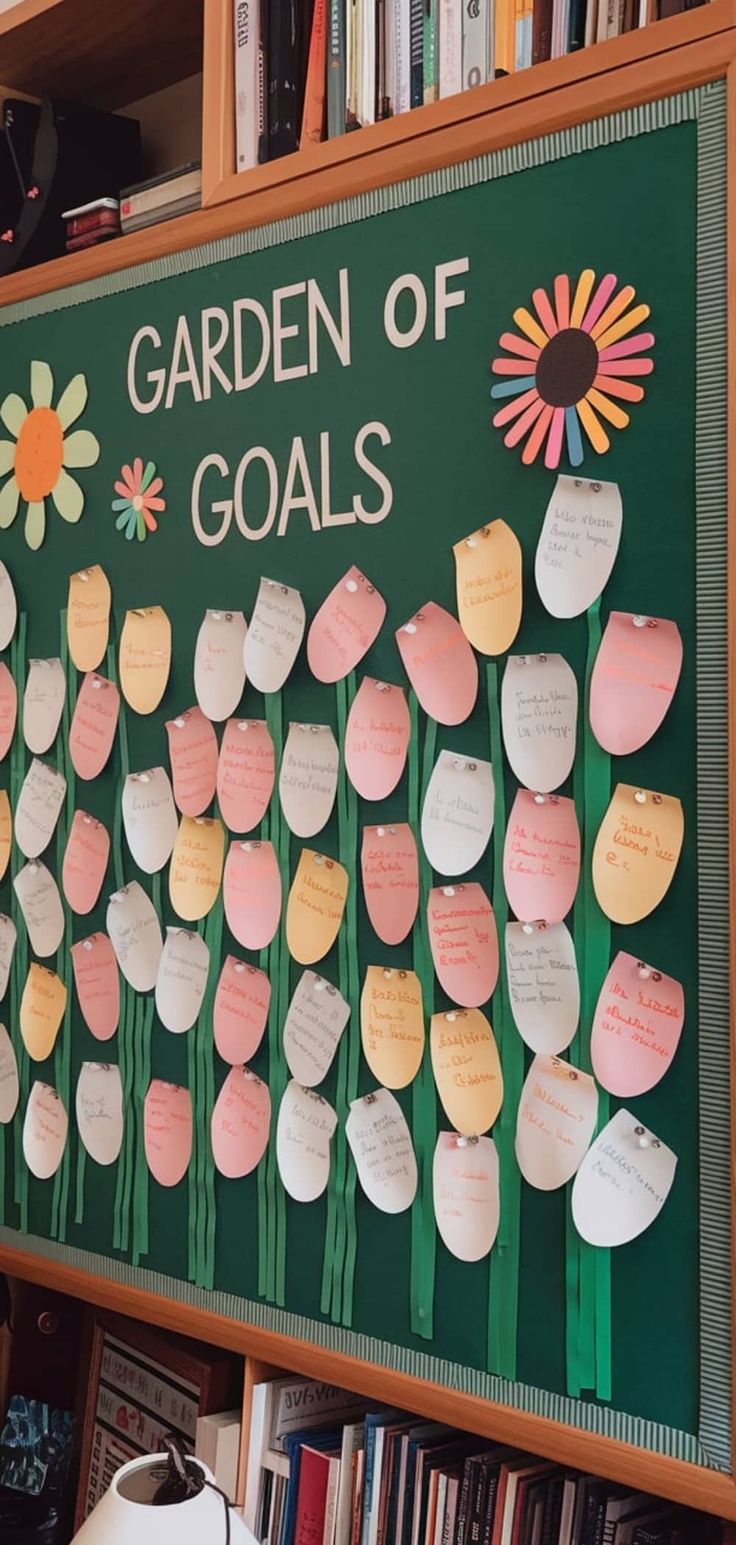
- Encourage student voice and choice: Give students opportunities to make decisions about their learning, increasing their sense of autonomy and engagement.
Ultimately, this inquiry has shifted how I understand student motivation. Motivation is not something that can be controlled or forced through external rewards or pressure, but something that grows when students feel connected, capable, and valued. When students feel a sense of belonging, they are more likely to see themselves reflected in their learning and believe in their own abilities.
As future educators, this means our role is not to “motivate” students like one may traditionally think, but rather to intentionally create and positively influence the environment our students are in so that motivation can develop and grow naturally within them. Because of this, I think it is important to recognize the importance of creating a progressivist focused classroom so that we can create this inclusive, student-centered space to be able to promote authentic, lasting, and meaningful student engagement in learning.
If there is one key takeaway from my inquiry, it is this: student motivation comes from belonging and connection. By prioritizing relationships and meaningful learning experiences as future educators, we have the opportunity to create classrooms where students not only participate, but feel genuinely motivated and want to learn.