Balancing Play and Learning: My Journey into Play-Based Education
Zoe Pecuszok
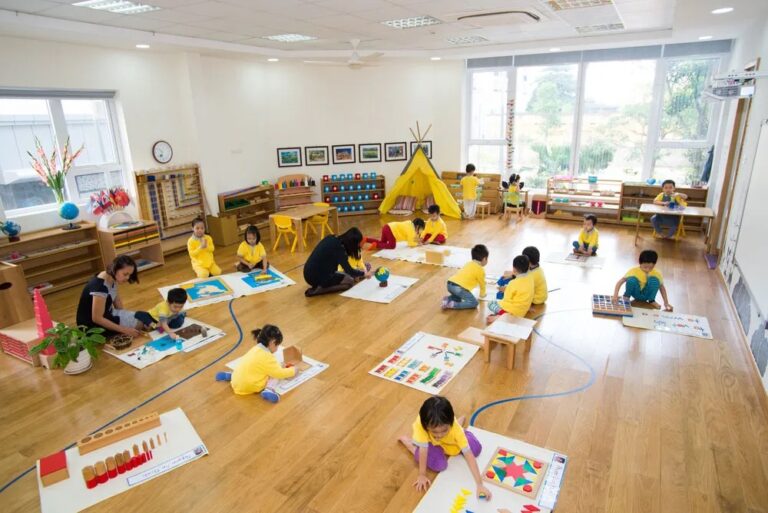
When I initially thought about doing play-based learning (PBL) as a topic for this philosophical inquiry question assignment, I mostly imagined kindergarteners building towers with blocks or playing “house”. I wasn’t exactly sure how I was going to be able to fit this kind of topic into the framework of a philosophical inquiry or how it could actually apply to older students. However, as I explored all my research for this assignment, I realized that PBL is far more than fun and games. This approach is a powerful pedagogical approach that supports academic, social, and emotional development simultaneously. Studies show that guided play can improve literacy, math, problem-solving, and collaboration skills, all while being able to foster curiosity and creativity within students.
I also learned through my research of PBL, that the teacher’s role within this approach should be flexible, and should move along a continuum from observer to facilitator depending on the types of play occurring. This type of flexibility ensures students remain in control of their learning while still meeting curricular goals. PBL can be adaptable for all grade levels; for example, the ice cream activity that Kailey, Hayden, and I did in EDSC for grade 4 students is a great example of a play-based learning activity. This experience was super engaging for all of us but still reinforced scientific concepts, encouraged teamwork, and demonstrated that older students can engage meaningfully and benefit from play-based learning approaches.
Through the inquiry of this topic, I discovered that student-led exploration, met with curriculum requirements, is not only possible but also highly beneficial for students. In my future classroom, I plan to integrate guided play, math and literacy centres, and land based explorations to create meaningful, culturally responsive, and engaging learning experiences. Play-based learning allows students to be able to actively participate in the activities, make their own decisions and choices, and develop skills that actually extend beyond academics by preparing them for lifelong learning and collaboration.
Overall, I think that this assignment has actually shifted how I now view education once again. I think that play is not only a tool but a mindset for us educators that empowers students to learn deeply, creatively, and socially, making the classroom a space where learning can still be both valuable and joyful.