Inclusion Is Not a Place
Emma Stanchfield
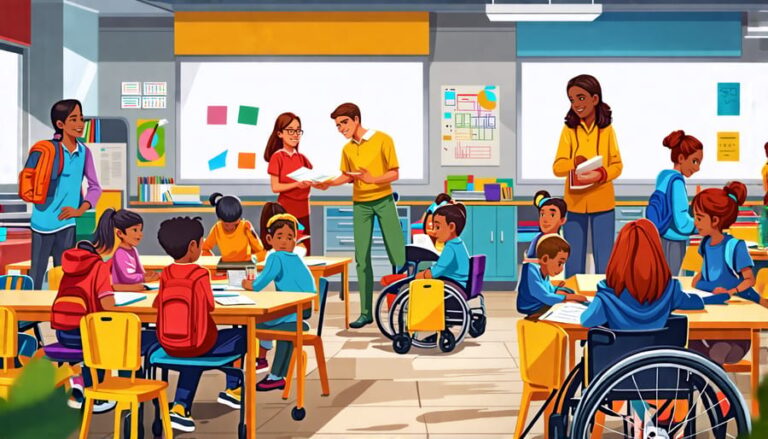
For a long time, I believed that inclusion meant keeping every student in the classroom at all times. It felt like the right thing to do, if students are together, then they belong. But through this inquiry, I’ve come to realize that inclusion is far more complex than that. It is not defined by where a student sits, but by whether they are actually able to learn, participate, and feel supported in that space.
My question, “Is inclusion always the most supportive placement for every student?” led me to explore both the benefits and limitations of inclusive education. Research shows that inclusion can promote belonging, reduce stigma, and create opportunities for social connection. However, it also revealed that without the right supports in place, inclusion can become more symbolic than meaningful. Students may be physically present, but emotionally overwhelmed, disengaged, or unable to access learning in ways that work for them.
My own experience as an Education Assistant reinforced this. I worked closely with a student who sometimes needed to leave the classroom to regulate. At first, this felt like a failure of inclusion. Now, I see it differently. The learning didn’t stop, it simply shifted environments. In that quieter space, she was calmer, more focused, and more capable of engaging. That experience reshaped how I understand inclusion.
I’ve come to believe that inclusion should always be the goal, but not always the fixed placement. True inclusion requires flexibility, responsiveness, and a willingness to meet students where they are. It means recognizing that learning can happen in multiple spaces, and that supporting a student’s well-being is just as important as maintaining a principle.
In the end, inclusion is not about being in the room, it’s about being able to thrive within it.