Fostering an Inclusive Classroom
Marissa Wende
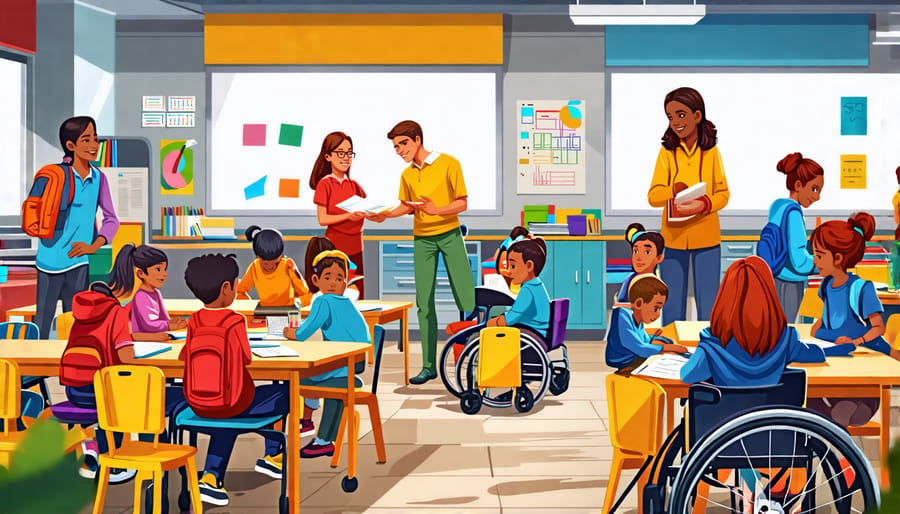
As a future educator, one question that continues to shape my thinking is: How can teachers foster an inclusive classroom where all students feel valued, respected, and able to participate in learning? Through this inquiry, I have come to realize that inclusion is not just a teaching strategy or a welcoming classroom; it is a mindset and an ongoing commitment.
My research has highlighted that creating an inclusive classroom requires thoughtful and ongoing intentional planning. By incorporating strategies like Universal Design for Learning (UDL) and differentiated instruction help remove barriers before they arise by providing multiple ways for students to engage with the material. These approaches are essential as they ensure all students have meaningful and equitable opportunities to success regardless of their abilities. It is through my research however, that I now understand that inclusion goes beyond removing academic barriers. It is about building strong relationships, understanding your students and creating a sense of belonging in the classroom.
This leads me to my next point, in that inclusion is closely connected to social justice. With increasingly diverse classrooms, educators must address systemic barriers and ensure that all students feel seen, supported, and valued. This includes incorporating culturally responsive teaching practices and aligning with the Truth and Reconciliation Commission’s Calls to Action by embedding Indigenous perspectives and ways of knowing into the classroom. It also means welcoming diverse perspectives, acknowledging students’ backgrounds, and reflecting on personal biases or stereotypes. By doing so, educators support all learners while fostering empathy, respect, and understanding across the classroom community
At the same time, I recognize that inclusive teaching is easier said than done. Realistically, time constraints, large class sizes, and limited resources can make implementing these strategies challenging. This has shifted my initial inquiry: I now wonder how educators can provide truly inclusive classrooms while navigating these real-world constraints. I have come to understand that ongoing reflection, collaboration, and professional growth are essential for creating an environment where all students can thrive.
Ultimately, this inquiry has reinforced that fostering an inclusive classroom is a continuous journey. It requires intentionality, adaptability, and an ongoing commitment to creating a space where every student feels respected, valued, and empowered to succeed.