
Behaviourism in the Classroom: Finding Balance
Kayte Hawkings
When I first started thinking about behaviourism in regards to classroom management I assumed that all aspects of behaviouristic strategies would eventually hinder students growth. I was concerned that an overuse of these strategies would negatively impact students’ learning and engagement: In what ways can behaviourist perspectives hinder growth and engagement within the classroom atmosphere? However, through my inquiry my conception of these issues has been altered.
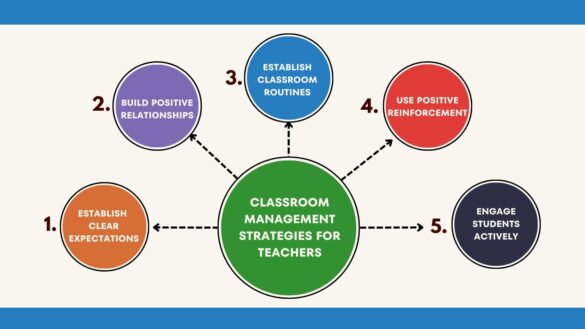
Although many aspects of behaviourism do in fact negatively impact students, I can now see that there are some that aid their learning and engagement and ultimately support well-being. These include structure, repetition and reinforcement; when these strategies are used appropriately students can flourish in their environment by staying motivated and engaged; it is when these strategies are over used, or used incorrectly that students’ individual needs are impacted.
Through my inquiry I found that a mixture of humanistic and constructivist approaches blended with behaviouristic strategies allow students to have autonomy and build relationships. It is through the First Peoples Principles of Learning that I was able to connect these ideas to holistic learning and well-being (Chrona, 2019). These aspects are integral as they reinforce the importance of structure, repetition and reinforcement as building blocks to student well-being.
Through this exploration my thinking changed slightly and I revised my original question to reflect my new thinking: Do behaviourist perspectives and strategies hinder students growth as a whole, or is it the imbalanced and unfair application of the strategies that affect students motivation and engagement within the classroom?
Now, after my inquiry, I understand the value in combining aspects of behaviouristic classroom management strategies to student-centered learning. When Inquiry-Based Learning and Universal Design for Learning are implemented within the classroom, the idea of having consistency while ensuring there is room for student voice and autonomy is reinforced as it positively impacts student engagement and motivation.