
Place-Based Learning and Its Impact on Our Education System
Molly Baker
How does learning outside of the classroom (place-based learning), reshape traditional ideas of schooling? Through this initial inquiry, my understanding and knowledge of place-based learning has deepened significantly. Prior to my research, I viewed learning out of the classroom as more of a strategic tool to boost student engagement. However, I now recognize that place-based learning is much more impactful than I originally believed. Not only does it challenge the methods of traditional schooling, but it also makes us question what learning is, where should it happen, and why it matters.
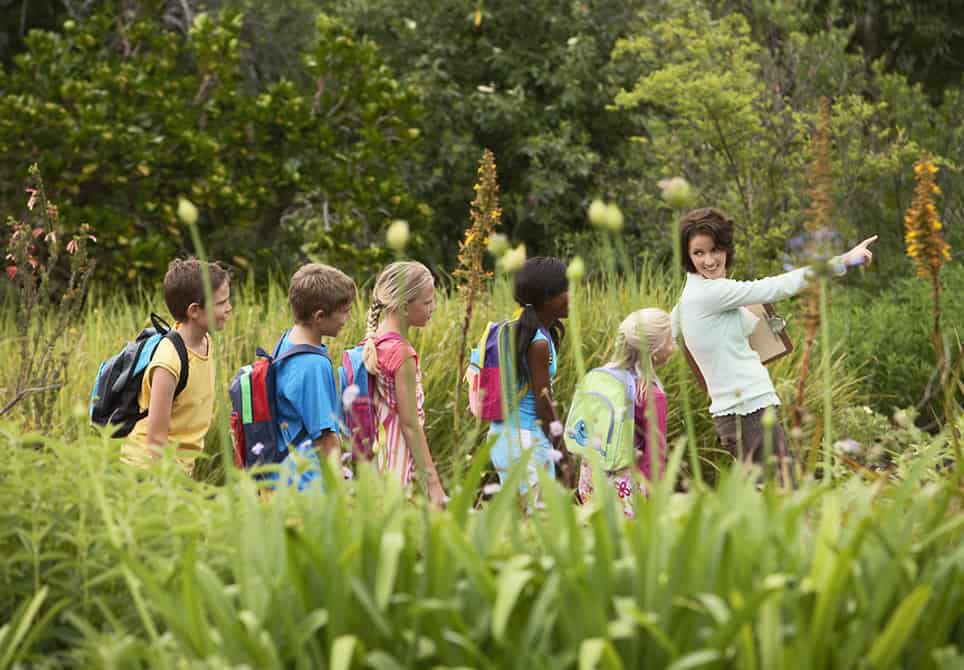
Place-based learning is an educational shift from being only in the classroom and content-driven, to something that is experiential, relational, and connected to the real-world. Rather than viewing knowledge as something that can only come from a teacher, we understand that deeply meaningful knowledge can also come from lived experiences, as well as interaction with the environment and the community. This idea strongly connects to the First Peoples Principles of Learning, as well as the Constructivist learning theory, which both highlight the importance of relationships and connection to place in learning. One of the most significant findings from my research is that place in itself can be a teacher.
When students are given the opportunity to engage with their local environment and community, they can strengthen their sense of identity, responsibility, as well as their understanding of real-world issues. This not only supports academic learning but also aids our students in becoming active participants of society who act with critical thinking. Despite this, I have realized that facilitating place-based learning does not come without its challenges. It requires thoughtful planning, flexibility, and support, and it may not always be possible for all schools and teachers.
Ultimately, place-based learning should not replace more traditional methods; it enriches them. It provides a more meaningful, inclusive, and experiential approach to learning, which can in time can help to better prepare students for life outside of the classroom.